Red and blue light therapy have become standout technologies in the world of non-invasive treatments, particularly within the skincare and dermatology industries. While light therapy itself is not new—dating back to ancient civilizations that used sunlight for healing purposes—today’s innovations have refined this concept using specific wavelengths of light emitted through LEDs (light-emitting diodes). These targeted wavelengths of red and blue light offer unique and complementary benefits, especially in the treatment of skin conditions like acne, signs of aging, and inflammation. This combination of red and blue light therapy is often hailed as a dynamic duo because together, they address both the root causes and the visible symptoms of common skin concerns.
Blue light, typically found in the 405–470 nanometer range, is known for its powerful antibacterial properties. Its primary use in dermatology is to target and kill Cutibacterium acnes (formerly Propionibacterium acnes), the bacteria responsible for triggering acne breakouts. Blue light does this by penetrating the superficial layers of the skin and generating oxygen radicals that destroy the bacteria without damaging the surrounding skin. This makes blue light therapy especially effective for treating mild to moderate acne without the need for harsh chemicals or systemic antibiotics. Furthermore, blue light has been found to help regulate sebum production, making it beneficial for oily skin types and those prone to clogged pores.
Red light, on the other hand, operates at a longer wavelength, usually between 630–660 nanometers, which allows it to penetrate deeper into the skin layers. Red light does not have antibacterial properties like blue light, but it plays a crucial role in reducing inflammation and promoting healing. It stimulates the production of collagen and elastin—two proteins that are vital for maintaining skin’s firmness and elasticity. This makes red light therapy particularly effective for reducing the appearance of fine lines, wrinkles, and acne scars, as well as calming the inflammation associated with active breakouts. It also enhances blood circulation in the treated area, further accelerating the skin’s natural repair processes.
When used together, red and blue light therapy provide a comprehensive approach to skincare. Blue light fights acne-causing bacteria and reduces oil production on the skin’s surface, while red light soothes inflammation, promotes healing, and helps to repair and rejuvenate damaged tissue. This synergy makes dual light therapy especially useful for people who struggle with chronic acne or sensitive skin that reacts poorly to conventional treatments. Moreover, this therapy is non-invasive, pain-free, and requires no downtime, which adds to its growing popularity among individuals seeking safe and effective skin treatments.
Clinical studies have backed the efficacy of red and blue light therapy, with many showing significant improvement in skin clarity, reduction in lesion count, and overall skin texture. In a typical treatment course, patients might undergo sessions two to three times a week for several weeks, with noticeable results often appearing after four to six weeks. Maintenance sessions can be scheduled periodically to keep the skin clear and balanced. Some studies even highlight the psychological benefits of light therapy—such as improved confidence and reduced anxiety related to skin conditions—demonstrating its holistic value.
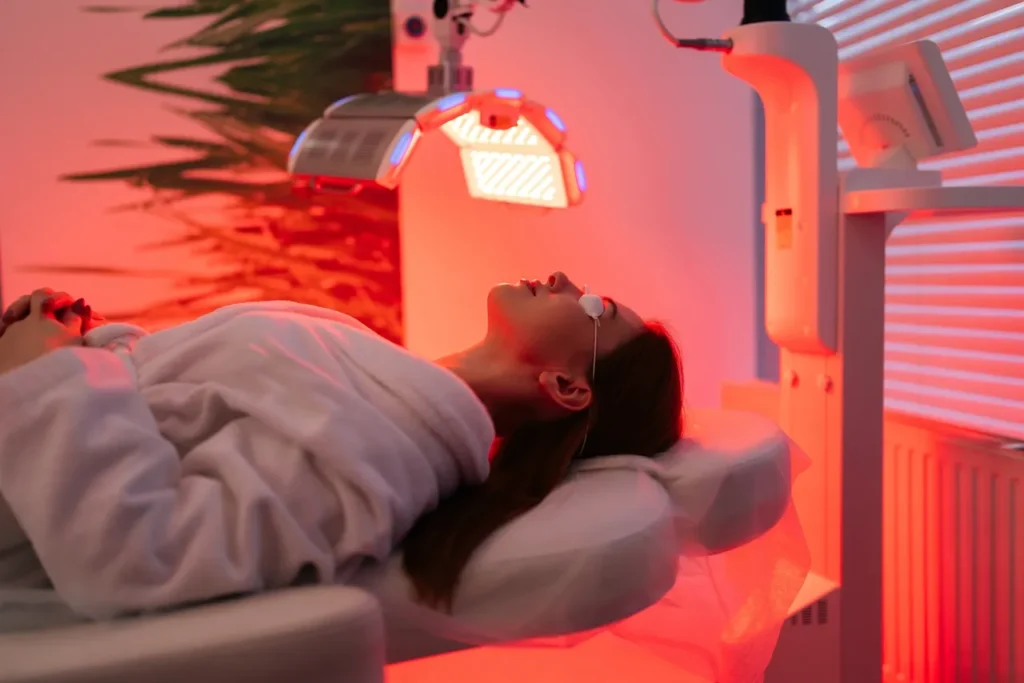
One of the key advantages of red and blue light therapy is its accessibility. While professional dermatology clinics offer advanced LED therapy treatments, a wide range of FDA-cleared at-home devices are now available, including facial masks, handheld tools, and panel lights. These devices allow users to receive regular treatments conveniently at home, often in as little as 10 to 20 minutes per session. However, it’s important to note that not all devices are created equal. Consumers should look for products that provide the correct wavelengths and intensity for therapeutic benefits, and always follow manufacturer guidelines to ensure safety and efficacy.
Despite its many benefits, light therapy is not a one-size-fits-all solution. Individuals with certain medical conditions, photosensitivity, or who are taking medications that cause light sensitivity should consult a healthcare professional before starting treatment. In rare cases, overuse or improper application can lead to temporary redness or irritation. Nonetheless, when used properly, red and blue light therapy is considered safe for most skin types and tones, and it complements other skincare routines without significant risks.
In conclusion, red and blue light therapy offers a powerful, non-invasive, and scientifically supported solution to a range of skin concerns. Whether addressing persistent acne, reducing inflammation, or revitalizing aging skin, this dual-wavelength approach helps users achieve clearer, healthier skin with minimal effort and no harsh side effects. As technological advancements continue to improve accessibility and device quality, the future of light therapy in both clinical and at-home skincare regimens looks exceptionally bright.