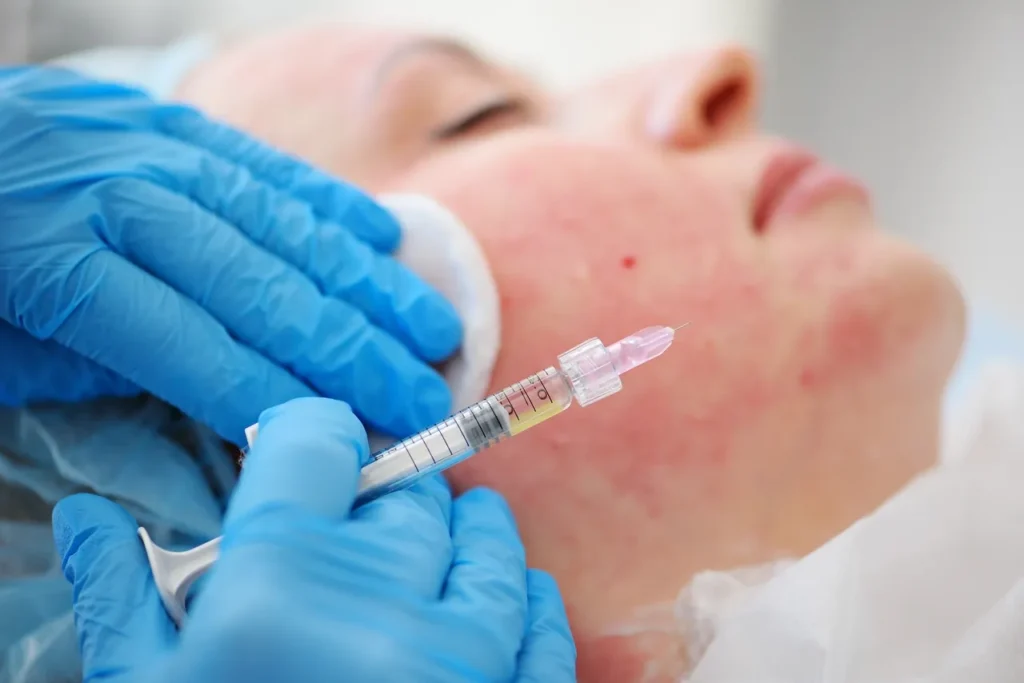

In the ever-evolving world of cosmetic enhancements, dermal fillers have carved out a significant place for themselves by offering non-surgical solutions for achieving volume, lift, and facial contouring. These injectable treatments have surged in popularity thanks to their ability to rejuvenate the face, enhance natural features, and restore youthful fullness—all without the downtime associated with invasive procedures. Whether used to plump lips, contour cheeks, soften lines, or sculpt the jawline, dermal fillers are versatile tools that cater to a broad spectrum of aesthetic goals.
At their core, dermal fillers are gel-like substances injected beneath the skin to add volume, improve symmetry, and smooth out fine lines and wrinkles. The most commonly used fillers are made of hyaluronic acid (HA), a naturally occurring substance found in the skin that retains moisture and helps keep tissues plump and hydrated. Because of its compatibility with the body and its temporary nature, hyaluronic acid has become the gold standard for many filler treatments. Other types of fillers include calcium hydroxylapatite (found in Radiesse), poly-L-lactic acid (used in Sculptra), and polymethylmethacrylate (PMMA), a semi-permanent option used in some specialized cases.
One of the primary reasons individuals seek dermal filler treatments is to restore lost volume. As we age, our faces gradually lose subcutaneous fat, collagen, and elastin, resulting in a more hollow or sunken appearance, particularly around the cheeks, temples, and under-eye areas. Fillers can effectively counteract this process by replenishing volume and supporting the skin’s structure. For example, injecting filler into the mid-face can restore youthful fullness to the cheeks and under-eye area, while adding volume to the temples can soften a gaunt or tired look.
Beyond volume restoration, dermal fillers offer significant lifting capabilities. Strategically placed filler can mimic the effects of a subtle facelift by providing structural support and repositioning sagging tissues. The “liquid facelift” is a popular technique that uses fillers to lift the cheeks, contour the jawline, and smooth nasolabial folds, offering a more refreshed appearance without surgery. While the results are not as dramatic or long-lasting as a surgical facelift, they are immediate, natural-looking, and require little to no recovery time.
Facial contouring with dermal fillers has also gained traction, particularly among younger individuals looking to enhance their natural features. Fillers can be used to sharpen the jawline, define the chin, straighten the nose (non-surgical rhinoplasty), and accentuate the lips. In recent years, the rise of aesthetic trends favoring sculpted cheeks and fuller lips has made facial contouring with fillers a sought-after option for those wanting to subtly refine their appearance. Because the procedure is customizable, practitioners can tailor treatments to individual facial structures and goals, ensuring results that enhance rather than alter.
The treatment process is relatively quick and minimally invasive. Most dermal filler sessions last between 30 to 60 minutes, depending on the number of areas treated. Practitioners typically use a fine needle or cannula to inject the filler with precision. To minimize discomfort, many fillers contain lidocaine, a local anesthetic. Post-treatment, some mild swelling, bruising, or tenderness may occur, but these side effects usually resolve within a few days. The results are often visible immediately and can last anywhere from six months to two years, depending on the type of filler used and the area treated.
Despite their benefits, dermal fillers are not without risks. Complications such as asymmetry, overfilling, migration, or rare vascular occlusion (when filler blocks a blood vessel) can occur, especially in inexperienced hands. This underscores the importance of choosing a licensed, skilled injector with a deep understanding of facial anatomy. A good practitioner will prioritize natural-looking results and ensure patient safety throughout the process.
Another important consideration is managing expectations. While dermal fillers can significantly improve facial appearance and boost confidence, they are not permanent and must be maintained over time. Additionally, they cannot address issues like severe skin laxity or deep-set wrinkles as effectively as surgical procedures or other complementary treatments like Botox or laser resurfacing.
In summary, dermal fillers offer a versatile and effective approach to facial rejuvenation, volume restoration, and aesthetic enhancement. Whether you’re seeking to turn back the clock or highlight your favorite features, fillers provide a non-surgical path to achieving balanced, youthful, and natural results. With proper consultation and expert application, they can be an empowering tool in helping individuals look and feel their best—one precise injection at a time.