
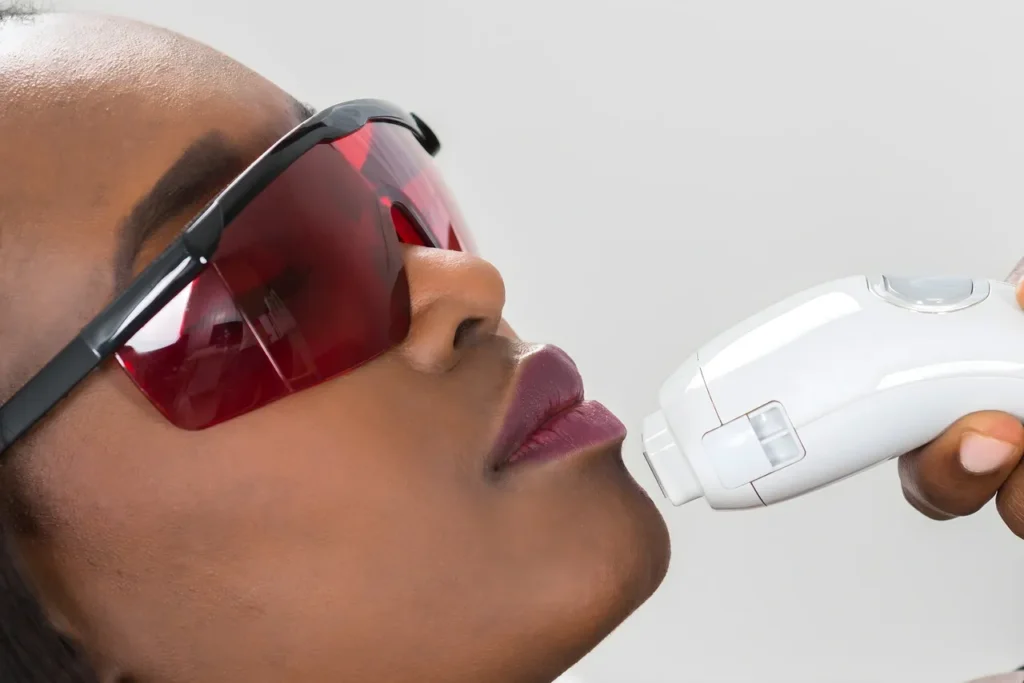
Burn scars can have a profound impact on a person’s physical and emotional well-being, particularly when they are prominent, painful, or disfiguring. For individuals with darker skin tones, treating these scars poses unique challenges due to the increased risk of post-inflammatory hyperpigmentation (PIH), hypopigmentation, and keloid formation. Historically, many dermatological treatments have not been optimized or considered safe for skin of color, often leaving this demographic with limited and sometimes risky options. However, advancements in laser technology—specifically the use of fractional CO₂ lasers—are changing this landscape. Increasing evidence shows that when applied appropriately and with expert care, CO₂ laser treatments can effectively ease burn scars in darker skin, offering new hope for more inclusive, effective scar management.
The carbon dioxide (CO₂) laser is an ablative laser, meaning it removes the outer layers of damaged skin to promote regeneration. More specifically, the fractional CO₂ laser works by delivering laser energy in a pattern of microscopic columns, creating controlled zones of injury surrounded by unaffected skin. This design allows for faster healing and a lower risk of complications compared to traditional full-surface ablative lasers. The treatment stimulates collagen production, improves skin texture and tone, and smooths out raised or indented scars. For burn scars—which are often thick, textured, and discolored—these effects can be dramatically beneficial.
For years, there was caution around using ablative lasers like the CO₂ laser on darker skin due to the risk of pigmentary changes. Melanin-rich skin reacts more strongly to trauma and heat, which means aggressive treatments can easily result in unwanted side effects such as prolonged hyperpigmentation, hypopigmentation, or even scarring. However, with the rise of fractional technology and evolving treatment protocols tailored to skin of color, this narrative is shifting. Skilled dermatologists now use lower energy settings, longer intervals between sessions, and advanced post-treatment care to reduce risks and optimize results for patients with darker skin tones.
Clinical research and anecdotal reports have shown promising outcomes for darker-skinned patients treated with fractional CO₂ lasers for burn scars. Patients have reported significant reductions in scar thickness, improved skin pliability, and decreased discoloration over a series of treatments. Improvements in function, such as increased range of motion in areas where scarring caused contractures, have also been noted. These benefits are not only cosmetic but also functional, contributing to a better quality of life for those affected by burn injuries.
A vital component of success in treating darker skin with CO₂ lasers is a thorough pre-treatment assessment and customization. Dermatologists evaluate the type of scar, its depth, the area of the body, and the patient’s skin phototype to determine the safest and most effective approach. In some cases, pretreatment with topical agents like hydroquinone or retinoids may be recommended to minimize the risk of pigmentary changes. After the procedure, patients are usually advised to use high-SPF sunscreens, gentle moisturizers, and possibly pigment-stabilizing agents to aid healing and prevent complications.
While the fractional CO₂ laser shows great promise, it is not a cure-all and should be part of a broader treatment strategy. Often, it is combined with other therapies such as microneedling, corticosteroid injections, silicone gels, or pressure garments, depending on the scar’s characteristics. In cases where emotional trauma accompanies the physical scar, psychological support and counseling may also be an integral part of recovery.
The growing success of CO₂ laser treatments in darker-skinned patients highlights a broader shift toward inclusivity in dermatology. Historically, many clinical trials and treatment innovations have excluded people with skin of color, leading to a gap in safe, effective care. The improved outcomes now being achieved reflect not only technological advancements but also a more conscientious effort to understand and accommodate the unique needs of diverse patient populations. This progression is essential, as it promotes equity in access to cutting-edge medical aesthetics and reconstructive therapies.
In conclusion, fractional CO₂ laser therapy represents a promising and increasingly viable option for easing burn scars in individuals with darker skin. With the right protocols and expertise, it can deliver meaningful cosmetic and functional improvements while minimizing risks. As awareness and accessibility continue to grow, more patients across all skin types can benefit from the transformative effects of laser technology—ushering in a more inclusive future for scar management and skin health.