
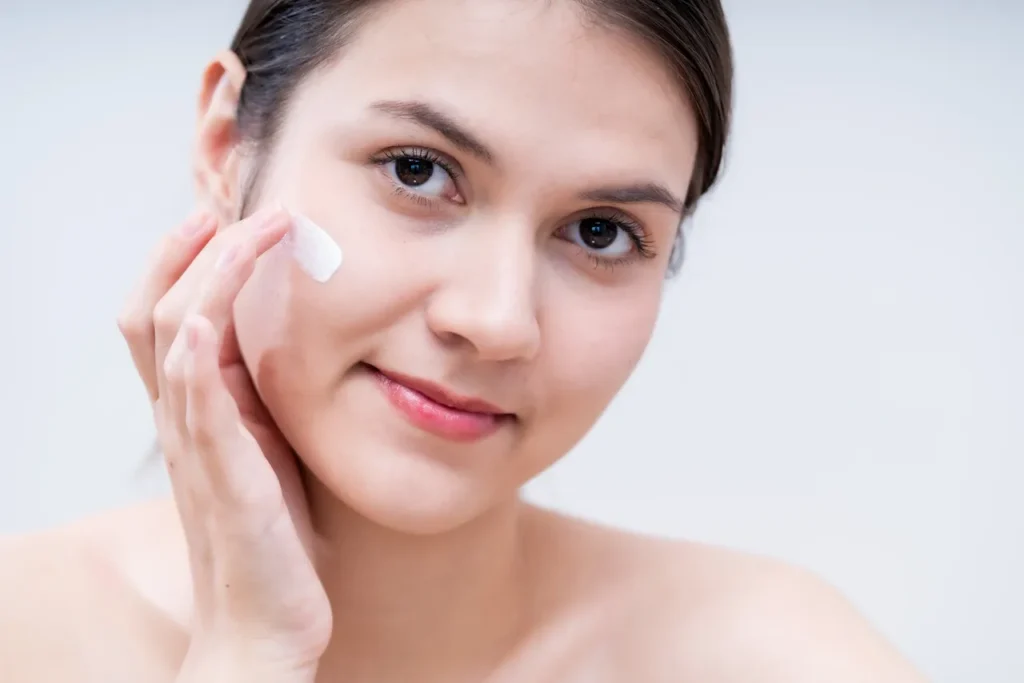
Choosing the right face moisturizer can feel overwhelming given the sheer number of options available on the market. From gel-based hydrators to rich creams, formulas now cater to every skin type, concern, and preference. However, not all moisturizers are created equal, and selecting the right one can make a significant difference in your skin’s health, comfort, and appearance. Understanding the key ingredients, textures, and features to look for can simplify the selection process and help ensure your skin remains hydrated, balanced, and resilient throughout the year.
The most important factor to consider when selecting a face moisturizer is your skin type. Moisturizers are not one-size-fits-all, and using the wrong formula can worsen existing skin issues. For instance, those with oily or acne-prone skin should opt for lightweight, non-comedogenic gels or oil-free lotions that hydrate without clogging pores. Ingredients like hyaluronic acid, glycerin, and niacinamide are ideal, as they offer hydration and help control oil production without being heavy. On the other hand, individuals with dry or sensitive skin should look for richer creams that contain emollients and occlusives such as ceramides, squalane, shea butter, or dimethicone. These ingredients help replenish the skin’s lipid barrier and lock in moisture for long-lasting comfort.
A high-quality moisturizer should contain three types of ingredients: humectants, emollients, and occlusives. Humectants such as hyaluronic acid, glycerin, and aloe vera draw water into the skin from the environment and deeper skin layers. Emollients like fatty acids, natural oils, and esters help soften and smooth the skin by filling in the gaps between skin cells. Occlusives such as petrolatum, beeswax, or lanolin form a protective seal over the skin to prevent moisture loss. The ideal moisturizer for your skin will have a balance of these elements tailored to your specific needs.
Another critical component to evaluate is the inclusion of additional beneficial active ingredients. Many modern moisturizers now double as treatment products, incorporating ingredients that target specific skin concerns. For example, moisturizers with antioxidants like vitamin C, vitamin E, or green tea extract help protect the skin from free radical damage and environmental stressors. Peptides can support collagen production and reduce the appearance of fine lines, while niacinamide can improve skin tone, reduce redness, and strengthen the skin barrier. For those dealing with acne, moisturizers containing salicylic acid or tea tree oil may help control breakouts while still providing hydration.
Equally important is what the moisturizer does not contain. Fragrance, alcohol, and harsh preservatives are common culprits behind skin irritation, especially for those with sensitive or reactive skin. While some people can tolerate fragranced products, those with conditions such as eczema, rosacea, or allergies should opt for fragrance-free and hypoallergenic formulas. It’s also wise to avoid moisturizers with denatured alcohol or SD alcohol, which can be drying and exacerbate skin issues over time.
Sun protection is another valuable feature to consider in a daytime moisturizer. A product with built-in SPF can simplify your skincare routine by offering hydration and UV defense in one step. Look for moisturizers with broad-spectrum SPF 30 or higher for adequate daily protection. While it’s still best to apply a separate sunscreen for extended sun exposure, using an SPF-infused moisturizer can provide essential everyday coverage, particularly during your commute or time spent indoors near windows.
Texture and absorption rate also play a role in how well a moisturizer performs. A good face moisturizer should spread easily, absorb efficiently, and leave the skin feeling nourished rather than greasy or sticky. Gel-based moisturizers are often best for humid climates or oily skin, while thicker creams are more suitable for dry environments and nighttime use. Testing a small sample before committing to a full-size product can help you gauge how well it suits your preferences and lifestyle.
Finally, consider the packaging. Products in air-tight pumps or opaque tubes are generally more hygienic and better at preserving the stability of active ingredients compared to jars, which expose the formula to air and bacteria with each use. While aesthetics and branding may influence your initial choice, it’s the formulation and delivery system that truly determine a product’s effectiveness.
In conclusion, finding the right face moisturizer involves more than just picking the most popular or luxurious-looking product on the shelf. By understanding your skin type, identifying the most beneficial ingredients, avoiding irritants, and considering the texture, SPF, and packaging, you can choose a moisturizer that not only feels good but also delivers long-term benefits for your skin health. A well-formulated moisturizer becomes the cornerstone of any skincare routine, keeping your skin balanced, protected, and radiant day after day.