
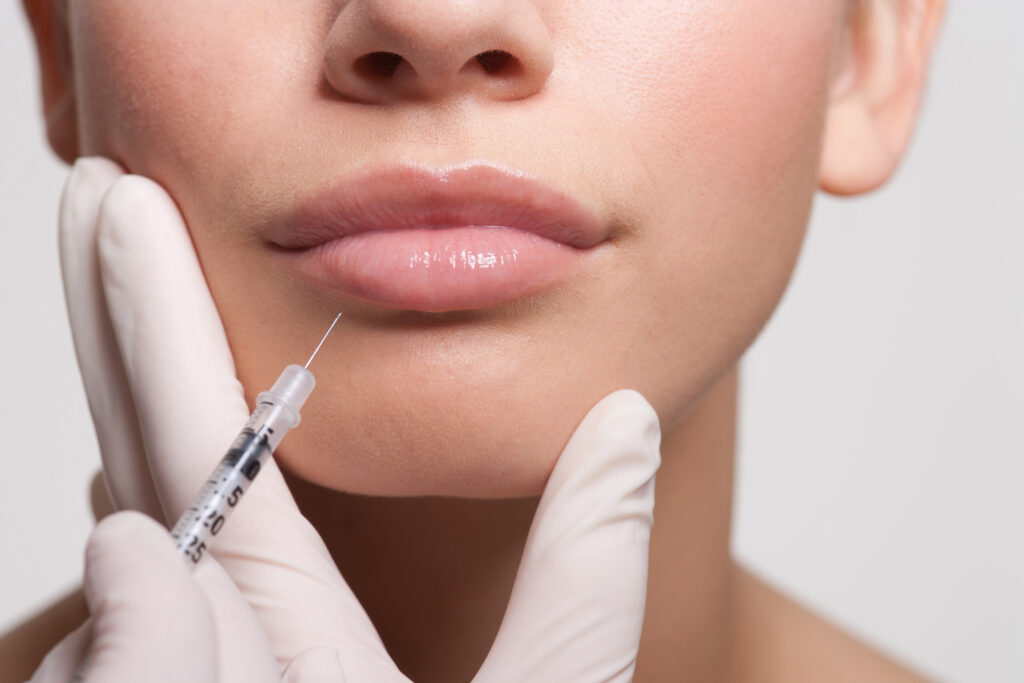
Lip enhancement has quickly become one of the most sought-after aesthetic procedures across the globe. Whether it’s to restore lost volume, correct asymmetry, or enhance the natural shape of the lips, dermal fillers have revolutionized the beauty industry. At the center of this cosmetic innovation is hyaluronic acid (HA)—a naturally occurring molecule known for its powerful hydrating and plumping abilities. But how does it actually work to create fuller, more defined lips without compromising a natural look? The answer lies in the science of skin biology, modern aesthetics, and precise injection techniques.
What Is Hyaluronic Acid?
Hyaluronic acid is a sugar molecule that naturally exists in the human body, especially in connective tissues, joints, eyes, and the skin. Its primary function is to retain moisture, with the remarkable ability to hold up to 1,000 times its weight in water. This hydration factor is what keeps our skin looking plump, youthful, and elastic. As we age, the body’s production of HA declines, leading to visible signs of aging such as volume loss, wrinkles, and dryness. In cosmetic medicine, synthetic HA is used in dermal fillers to temporarily restore lost volume and stimulate hydration from within.
How Hyaluronic Acid Fillers Work
When injected into the lips, hyaluronic acid fillers attract and bind water molecules, resulting in immediate plumping and hydration of the tissue. These fillers are gel-like in consistency, allowing skilled injectors to sculpt, define, and volumize the lips with precision. HA fillers are biocompatible, which means the body accepts them without significant risk of allergic reaction. Over time, the body naturally metabolizes the hyaluronic acid, gradually returning the lips to their original state unless additional treatments are performed.
One of the main reasons HA-based lip fillers are so popular is the level of control they offer. The injector can fine-tune the shape and fullness with each application, allowing for a subtle enhancement that looks natural rather than overdone. The most widely used HA fillers for lips include brands like Juvederm, Restylane, and Revanesse, each with slightly different formulations for tailored results.
The Science of Natural-Looking Results
Achieving natural volume in the lips requires more than just injecting filler—it’s a careful balance of anatomy, proportion, and product placement. Hyaluronic acid’s smooth texture and hydrophilic properties make it ideal for creating a soft, pillowy effect without the stiffness or lumps associated with older filler materials. Additionally, advanced injection techniques such as microdroplet placement and cannula delivery allow practitioners to layer the filler in a way that mimics natural lip anatomy.
The lips are composed of delicate tissue and blood vessels, which means expert knowledge of facial anatomy is essential to avoid complications such as unevenness, vascular occlusion, or overfilling. The best results come from experienced injectors who understand both the science and artistry of facial balance.
Additional Benefits of HA Lip Fillers
Beyond volume, hyaluronic acid lip fillers can help smooth out fine lines around the mouth (often called “smoker’s lines”), define the Cupid’s bow, and correct asymmetries. HA also has a mild collagen-stimulating effect, which can lead to longer-term improvements in lip texture and firmness. Moreover, since HA is temporary and dissolvable with an enzyme called hyaluronidase, patients can feel more confident knowing that their results are reversible if needed.
The treatment is quick—typically under 30 minutes—and involves minimal downtime. Common side effects include mild swelling, bruising, or tenderness at the injection site, which usually resolve within a few days.
Long-Term Maintenance and Safety
Hyaluronic acid fillers typically last between 6 to 12 months in the lips, depending on the product used, the individual’s metabolism, and lifestyle factors such as smoking or sun exposure. Maintenance treatments are generally required to keep the desired shape and volume, but many patients find the results to be well worth the investment.
When performed by a licensed and experienced injector, HA lip fillers are considered safe and effective. However, patients should always undergo a thorough consultation to assess their goals, medical history, and potential contraindications before receiving any injectable treatment.
Conclusion
The science behind lip fillers is both fascinating and empowering. Hyaluronic acid, a molecule the body already recognizes and utilizes, provides a safe, effective way to enhance the lips while preserving a natural appearance. From hydration to volume and symmetry correction, HA fillers offer a non-surgical path to the soft, full lips many people desire.
Whether you’re looking to make a subtle enhancement or restore lost definition, understanding how lip fillers work can help you make informed decisions about your aesthetic journey. For safe, beautiful results, always consult with a trained aesthetic provider who can tailor the treatment to your unique facial features and goals.