Disclaimer: This article is intended solely for informational and educational purposes only. It does not constitute medical advice.
Fine lines are among the earliest visible signs of skin aging, often appearing around the eyes, mouth, and forehead. While they are a normal part of getting older, factors such as sun exposure, genetics repetitive facial movements, and lifestyle habits can influence when they develop and how noticeable they become. Fortunately, several skincare approaches and aesthetic treatments can help soften the appearance of fine lines and maintain smoother, healthier-looking skin.
Understanding what causes fine lines is an important first step in choosing an appropriate treatment. As we age, our skin gradually produces less collagen and elastin, two proteins responsible for maintaining firmness and elasticity.
The skin also becomes thinner and may retain less moisture, making small creases more visible. Fine lines caused by facial expressions, known as dynamic lines, may eventually become noticeable even when the face is relaxed.
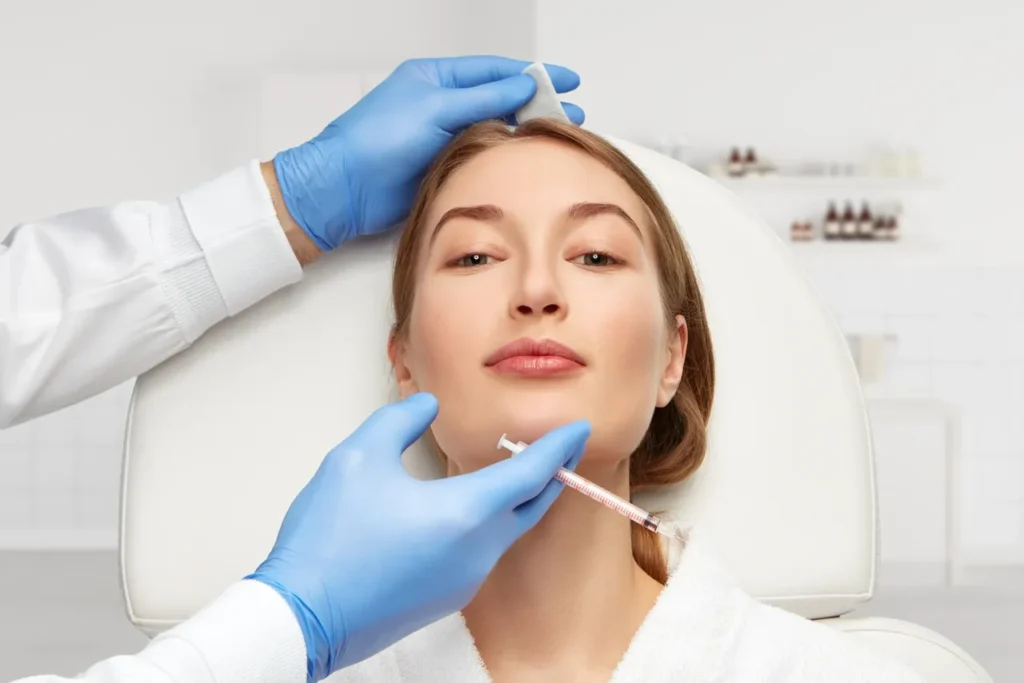
One of the most widely used treatments for dynamic fine lines is Botox and other neuromodulators. These injectable treatments relax targeted facial muscles, reducing the repetitive movements that create expression lines. They are commonly used to soften crow’s feet, forehead lines, and frown lines between the eyebrows. Results typically become noticeable within several days to two weeks and generally last three to four months, although individual experiences vary.
For fine lines associated with declining collagen production and changes in skin texture, microneedling may be beneficial. This minimally invasive procedures uses tiny needles to create controlled micro-injuries in the skin, stimulating the body’s natura; hearing response and encouraging collagen production. Over a series of treatments, microneedling can gradually improve skin texture and reduce the appearance of superficial lines.
Laser resurfacing is another option for addressing fine lines, particularly those associated with sun damage. Depending on the technology used, laser treatments can remove damaged outer layers of skin or deliver controlled energy beneath the surface to stimulate collagen remodeling. More intensive resurfacing procedures may produce greater improvements but generally involve longer recovery periods and a higher risk of side effects, including pigmentation changes.
Chemical peels can also improve the appearance of superficial lines by promoting exfoliation and skin renewal. These treatments use carefully selected acids to remove damaged surface cells and encourage smoother-looking skin. Light peels typically involve minimal downtime, while medium and deeper peels may provide more noticeable results but require additional recovery and careful aftercare.
For certain lines that remain visible when facial muscles are relaxed, hyaluronic acid dermal fillers may be considered. Fillers can restore volume and soften selected creases, particularly in areas affected by age-related facial volume loss. However, they are not appropriate for every type of fine line, and injections carry potential risks, including rare but serious vascular complications.
Professional treatments are only part of an effective approach to managing fine lines. Daily skincare plays an essential role in preventing further damage. Broad-spectrum sunscreen with an SPF of at least 30 helps protect collagen from ultraviolet radiation, one of the leading contributors to premature skin aging.
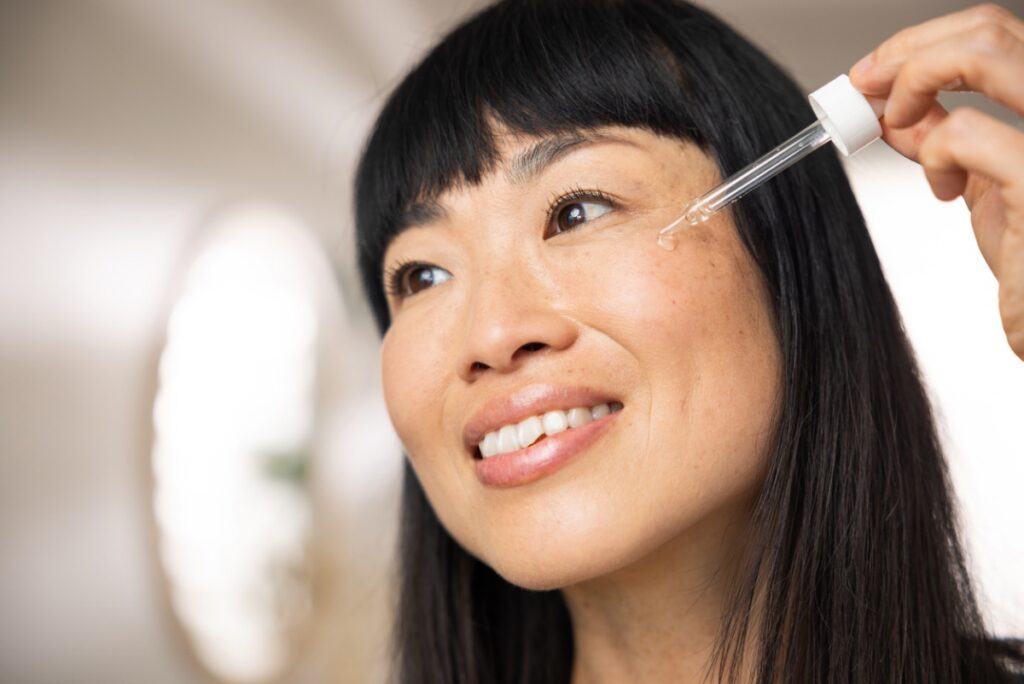
Topical retinoids, including retinol and prescription tretinoin, can improve the appearance of fine wrinkles over time by supporting skin cell turnover and collagen production. Moisturizers containing ingredients such as hyaluronic acid and ceramides can make fine lines less noticeable by improving skin hydration.
The best treatment ultimately depends on the location and depth of the lines, skin type, individual concerns, and desired recovery time. Some people benefit most from neuromodulators, while others may see greater improvement with resurfacing treatments or a consistent skincare routine. A qualified aesthetic healthcare professional can evaluate these factors and help develop a personalized approach that prioritizes natural-looking results and long-term skin health.
Although fine lines cannot be prevented entirely, a combination of appropriate treatments, daily sun protection, and healthy skincare habits can help maintain smoother, more resilient skin as it ages.