
Disclaimer: This article is intended solely for informational and educational purposes only. It does not constitute medical advice.
Keloids and raised scars can remain noticeable long after an injury has healed. In addition to affecting appearance, these scars may feel firm, itchy, tender, or uncomfortable. Kenalog injections are a commonly used nonsurgical treatment designed to soften and flatten raised scar tissue such as keloids while relieving symptoms. Understanding how the treatment works, what the procedure involves, and its limitations can help patients decide whether it may be appropriate for them.
Kenalog is a brand name for triamcinolone acetonide, a corticosteroid medication. When treating a scar, a medical professional injects this medication directly into the raised tissue. The steroid reduces inflammation and slows the excessive production of collagen responsible for thick, elevated scars. Over time, this may make the scar flatter, softer, and less irritated. Corticosteroid injections are widely used for both keloids and hypertrophic scars. Keloids extend beyond the boundaries of the original injury, while hypertrophic scars remain within the original wound area.
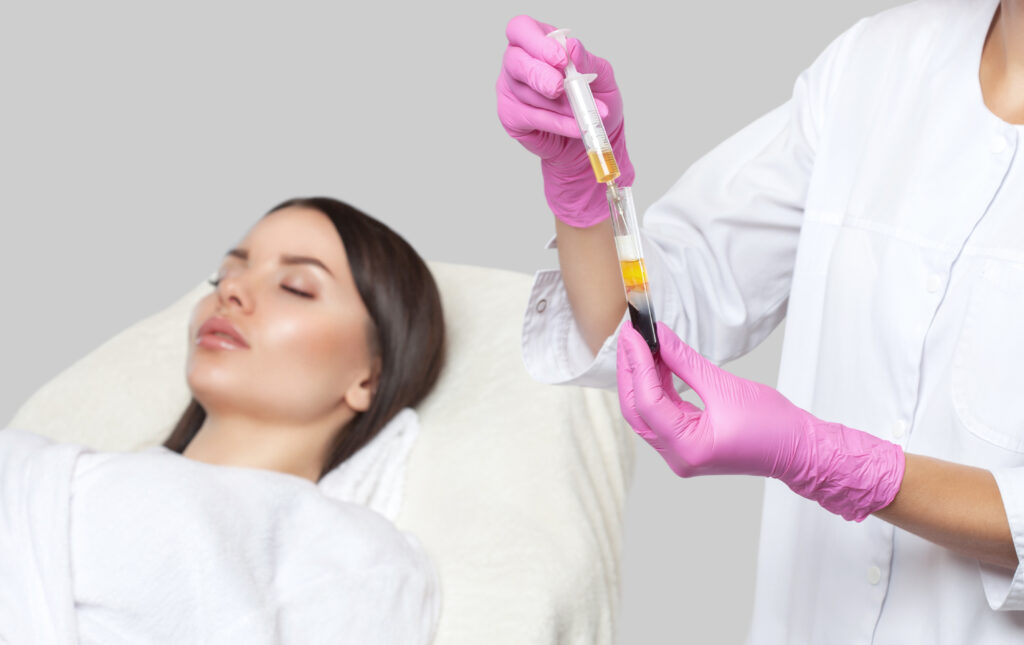
During treatment, the skin is cleaned and a small needle is used to place Kenalog at several points within the scar. The injections may cause pressure, stinging, or a brief burning sensation, particularly when the scar is dense. A topical numbing medicine, local anesthetic, or cooling method may sometimes be used to improve comfort. The appointment is generally brief, and most patients can return to their usual activities immediately afterward.
Improvement is usually gradual rather than immediate. Many people first notice that the scar feels softer or becomes less itchy and painful. Flattening and changes in appearance may occur over the following weeks. Because a single injection is rarely enough, treatment commonly involves a series of sessions spaced several weeks apart. The concentration used, number of injections, and treatment schedule depend on the scar’s size, thickness, location, age, and response to previous sessions.
Kenalog can significantly improve keloids or a raised scar, but it may not remove it completely. Keloids are particularly difficult to treat and can regrow after initially becoming flatter. For this reason, injections may be combined with silicone gel or sheets, laser therapy, cryotherapy, pressure treatment, or other medications. Surgical removal is approached cautiously because cutting out a keloid without additional preventive treatment may cause it to return, sometimes larger than before.
Possible side effects include temporary soreness, bruising, redness, or swelling at the injection site. More persistent local effects can include thinning or indentation of the skin, visible small blood vessels, and changes in pigmentation. Lightening of the treated skin may be especially noticeable in individuals with darker skin tones. These risks generally increase when medication is injected too deeply, placed into the surrounding normal skin, or administered repeatedly at a high concentration.
Raised scars should be assessed before treatment to confirm that Kenalog is suitable. An active skin infection, poorly healed wound, uncertain diagnosis, or history of an unusual reaction to steroid medication are cautionary signs for the use of this medication. Patients should also explain how the scar developed, whether it is still growing, and whether previous treatments have been attempted.
For appropriate candidates, Kenalog injections offer a convenient, minimally invasive way to improve the texture, height, and discomfort of keloids and raised scars. Results vary, and patience is important because treatment often requires multiple sessions. A qualified medical provider can evaluate the scar, explain realistic expectations, and develop a personalized plan that balances cosmetic improvement with the risk of side effects or recurrence.