Botox has become a household name in the world of aesthetic medicine, celebrated for its ability to smooth fine lines and reduce the appearance of wrinkles. Though commonly associated with Hollywood celebrities and beauty influencers, Botox is now widely accessible and embraced by people from all walks of life. But despite its popularity, many still don’t fully understand how Botox actually works. For those considering it for the first time, learning about what it is, how it functions, and what to expect from treatment can help demystify the process and lead to informed, confident decisions.
At its core, Botox is a purified form of botulinum toxin type A, a neurotoxic protein derived from the bacterium Clostridium botulinum. While the term “toxin” may sound alarming, Botox is used in extremely small, controlled doses and has a long-standing record of safety when administered by trained professionals. The primary action of Botox is to temporarily relax muscles. It does this by blocking the release of acetylcholine, a chemical messenger that signals muscle contractions. When injected into targeted facial muscles, Botox prevents those muscles from contracting, thereby minimizing the formation and deepening of expression lines.
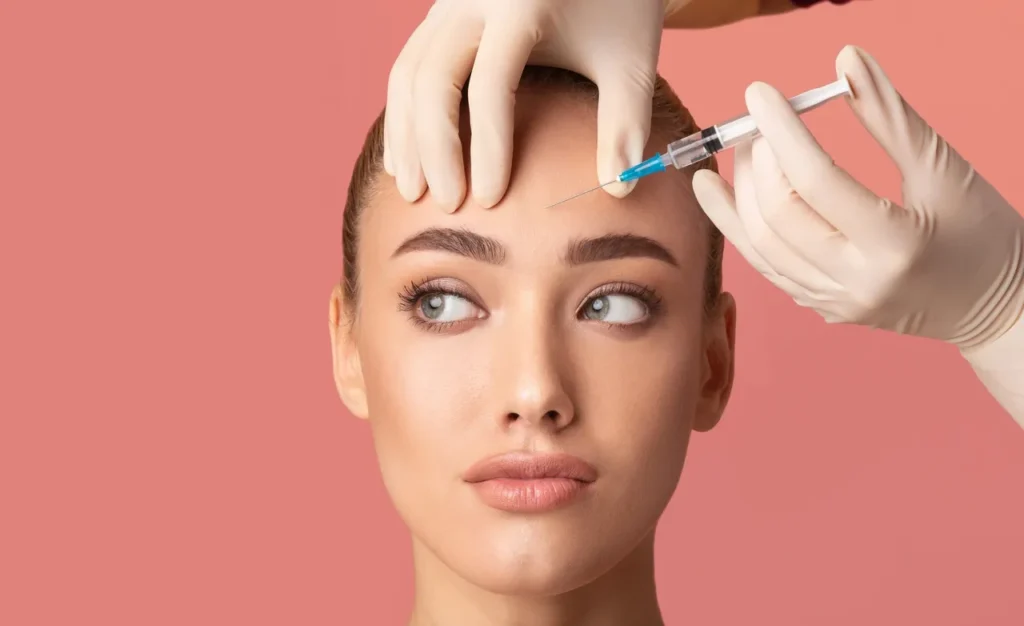
Fine lines and wrinkles often develop from years of repeated facial movements—smiling, frowning, squinting, and raising the eyebrows. Over time, these expressions etch lines into the skin, especially in areas like the forehead, between the eyebrows (glabellar lines), and around the eyes (commonly known as crow’s feet). Botox addresses these “dynamic” wrinkles at the source by reducing the muscle activity that causes them. Once the muscles are relaxed, the skin above them becomes smoother, and the appearance of lines is softened. In some cases, early intervention with Botox can even prevent wrinkles from becoming permanent.
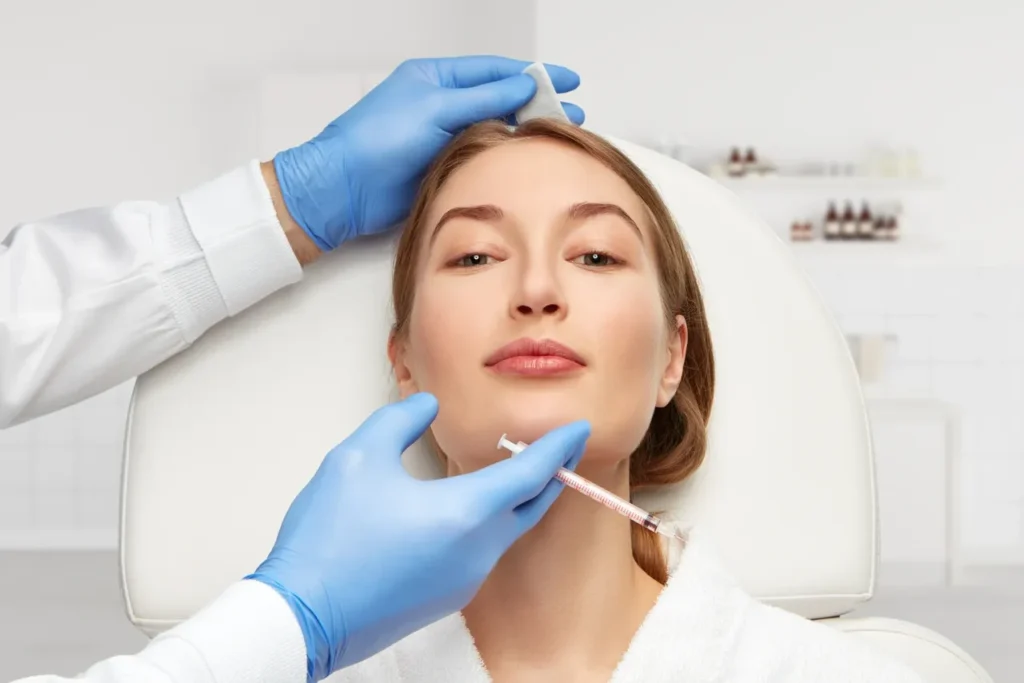
A Botox session is typically quick and straightforward. The procedure generally takes no more than 10 to 20 minutes, depending on the number of areas being treated. Using a fine needle, the provider injects small amounts of Botox into specific muscles. Most people describe the sensation as a slight pinch or prick, and there’s little to no downtime afterward. Some minor redness, swelling, or bruising at the injection sites is normal but usually resolves within a few hours to a day. For those who want to resume normal activities right away, Botox offers a convenient solution without the recovery period associated with surgical procedures.
The effects of Botox are not immediate. Most patients begin to notice a visible difference within three to five days post-treatment, with full results becoming apparent after about two weeks. The results typically last between three to four months, after which muscle activity gradually returns, and lines may start to reappear. To maintain a smooth, youthful appearance, many people schedule maintenance appointments three or four times per year. Over time, some individuals may find that they need less Botox or can go longer between sessions as treated muscles become trained to remain relaxed.
Botox is not just for older individuals or those with established wrinkles. Increasingly, younger adults in their 20s and 30s are turning to Botox as a preventive measure. By addressing the early signs of expression lines, preventative Botox can help delay the development of deeper wrinkles. It’s important, however, to use Botox conservatively at this stage to avoid the “frozen” look that can occur with overuse.
While Botox is generally safe, it’s crucial to have the procedure done by a licensed, experienced injector who understands facial anatomy. This ensures that the treatment is both effective and natural-looking. When administered properly, Botox should not drastically alter your expressions or make you look artificial. Instead, it should enhance your features subtly and refresh your overall appearance.
Botox is also FDA-approved for a number of medical conditions beyond cosmetics, including chronic migraines, excessive sweating (hyperhidrosis), muscle spasms, and overactive bladder. Its versatility underscores how well-researched and trusted this treatment has become in both medical and aesthetic communities.
In summary, Botox works by relaxing facial muscles that cause fine lines and wrinkles, offering a temporary but effective solution for smoothing the skin and creating a more youthful appearance. As a beginner-friendly procedure with minimal downtime and proven results, Botox has earned its place as a go-to treatment for those seeking subtle, non-surgical facial rejuvenation. Whether used preventively or to soften existing lines, Botox continues to be a safe and popular option for individuals looking to refresh and enhance their natural beauty.