Botox is one of the most recognized names in aesthetic medicine, synonymous with smooth, wrinkle-free skin and a refreshed appearance. Yet, despite its widespread use and growing popularity, many people are still unsure of what exactly Botox is and how it works. Often mistaken as merely a beauty fix, Botox is actually a sophisticated medical treatment rooted in complex biochemical science. Understanding what’s inside the syringe, how it functions, and what makes it both effective and safe requires delving into the fascinating science behind Botox.
At the heart of Botox lies a neurotoxic protein called botulinum toxin type A, which is produced by the bacterium Clostridium botulinum. In large quantities, this toxin is extremely dangerous and can cause botulism, a rare but serious illness that leads to muscle paralysis. However, when purified and administered in controlled, minuscule doses, botulinum toxin becomes a powerful therapeutic tool with numerous medical and cosmetic applications. Botox is the brand name of the most well-known formulation of this substance, approved by the FDA for both aesthetic use and several medical conditions.
Botulinum toxin is a protein complex made up of a heavy chain and a light chain, linked together by a disulfide bond. When injected into muscle tissue, the toxin selectively targets the nerve endings that communicate with muscles. It works by blocking the release of acetylcholine, a neurotransmitter that signals muscle contraction. Specifically, the light chain of the toxin cleaves SNARE proteins in the nerve terminals, which are essential for the fusion of neurotransmitter-containing vesicles with the nerve membrane. By disrupting this process, Botox effectively prevents the nerve from triggering muscle activity.
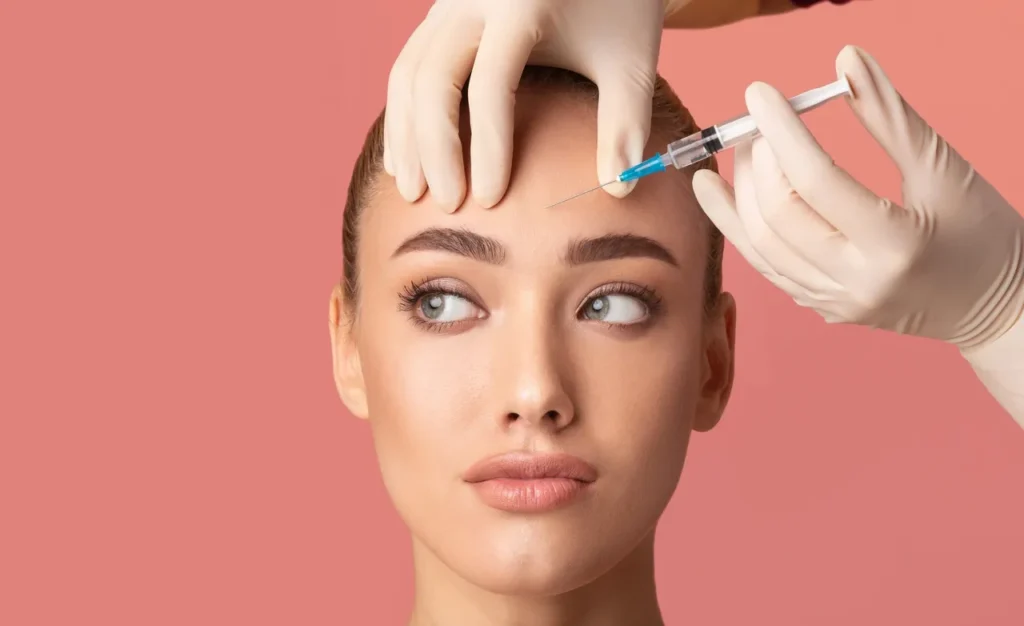
This temporary paralysis of the muscle has significant cosmetic benefits. Many facial wrinkles, such as crow’s feet, forehead lines, and frown lines between the eyebrows, form due to repeated muscle contractions over time. By relaxing these muscles, Botox smooths out the overlying skin and reduces the appearance of dynamic wrinkles—those caused by expressions and movement. The effects are not immediate; it usually takes three to five days to notice visible changes, with the full results emerging around two weeks post-injection. These effects typically last three to four months, after which the nerve endings regenerate and muscle activity returns.
Aside from its aesthetic appeal, the science behind Botox has led to its use in a variety of medical treatments. It has been approved for conditions such as chronic migraines, muscle spasticity, overactive bladder, excessive sweating (hyperhidrosis), and even certain eye disorders like strabismus and blepharospasm. The mechanism remains the same—by blocking nerve signals, Botox reduces unwanted muscle activity or glandular function, providing relief from symptoms. Its versatility is a testament to the precision and efficacy of the neurotoxin when used correctly.
Each syringe of Botox contains not just the active botulinum toxin, but also a few additional ingredients. Typically, it includes human albumin (a protein derived from blood plasma) and sodium chloride. These components help stabilize the solution and facilitate its safe injection into the body. The actual amount of botulinum toxin in a dose of Botox is measured in units, with cosmetic treatments usually involving 20 to 60 units depending on the areas treated. It’s important to note that while the dose may sound small, the potency of the toxin is extremely high, which is why even a few units can have noticeable effects.
Safety and precision are paramount in Botox administration. Due to the powerful nature of the toxin, only licensed healthcare professionals with specialized training should perform the injections. Improper use can lead to complications such as asymmetry, drooping eyelids, or unintended muscle paralysis. However, when administered by an experienced provider, Botox is considered very safe and has a well-documented history of efficacy in both medical and cosmetic settings.
Public perception of Botox has evolved significantly since its introduction. Once shrouded in misconceptions and stigma, it is now viewed as a routine and preventative part of many people’s self-care regimens. As research continues to uncover new uses and refine techniques, the role of Botox in both medicine and aesthetics is only expected to grow.
In summary, the syringe of Botox holds more than just a cosmetic solution—it contains a refined neurotoxin with powerful, targeted effects grounded in biochemistry and neurology. By temporarily blocking nerve signals, it smooths dynamic wrinkles and treats a range of medical conditions. When used properly, it is a safe, effective, and scientifically fascinating tool that continues to revolutionize the fields of aesthetics and therapeutic medicine.