Acne scars can be difficult to treat because they often reflect structural changes in the skin, not just surface discoloration. Microneedling is a technique used to rejuvenate the skin by creating controlled, tiny punctures in the skin that stimulate the skin’s natural repair process, including production of collagen and elastin, which can gradually make scars look softer, shallower and less noticeable. The American Academy of Dermatology notes that microneedling may help fade acne scars and improve skin texture when performed by a trained professional.
Before treatment, a consultation is essential. A dermatologist or qualified clinician should examine the type of scarring, current acne activity, skin tone, medical history and use of medications such as isotretinoin, blood thinners or immune-suppressing drugs. Microneedling is generally not performed over active infections, open wounds or inflamed acne, because puncturing irritated skin can worsen inflammation or increase infection risk. Patients should also discuss any history of keloids, poor wound healing or post-inflammatory hyperpigmentation. Careful technique and aftercare are important to reduce the risk of discoloration.
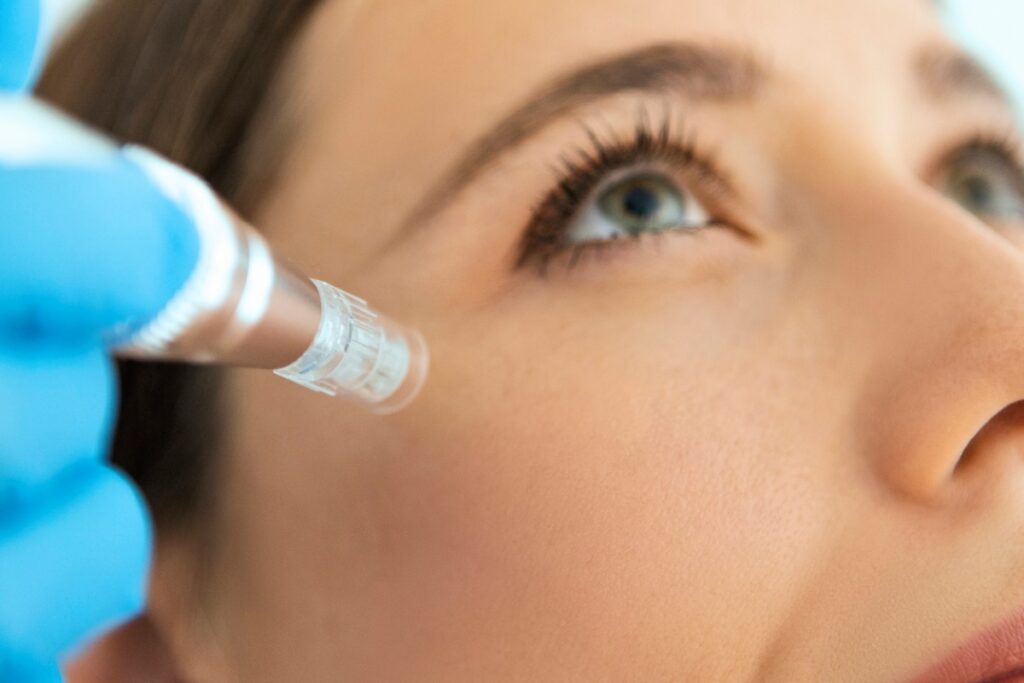
In the days before treatment, patients are often advised to avoid unnecessary sun exposure, tanning, harsh exfoliants, retinoids and irritating skin-care products, although exact instructions vary by clinician. Arriving with clean skin and no makeup is typical. During the appointment, a topical numbing cream is usually applied to reduce discomfort. The provider then passes a sterile, pen-like device with fine needles over the treatment area. Some people describe the sensation as pressure, vibration or scratching rather than sharp pain. Mild pinpoint bleeding can occur, depending on needle depth and the severity of scarring being treated.
Immediately afterward, the skin often looks red and feels warm or tight, similar to a sunburn. Downtime commonly ranges from two to seven days and may include redness, peeling or a sunburn-like appearance. During this period, aftercare is not cosmetic; it is part of the treatment. Patients must keep the skin clean, use gentle moisturizers, avoid picking or scrubbing, and protect the skin from the sun. Makeup and sunscreen may be allowed after the initial healing period, with the timing dependent on the intensity of treatment and how the patient’s skin responds. Swimming pools, saunas, intense exercise and active ingredients such as retinoids or acids are usually restricted temporarily.
Results are not immediate. Some swelling can make the skin look smoother at first, but true improvement develops gradually as collagen remodeling occurs over weeks to months. Most patients need a series of sessions, commonly spaced several weeks apart, for meaningful improvement. Microneedling is not expected to erase acne scars completely, and deeper ice-pick or tethered scars may require combination treatment such as subcision, laser resurfacing, chemical reconstruction or fillers for more complete treatment.
Safety depends heavily on using the right device in the right setting. The U.S. Food and Drug Administration has reviewed and authorized certain microneedling products as medical devices for specific uses, and it warns that treatment can carry risks such as infection, scarring, pigment changes and injury when devices are used improperly. At-home rollers and unregulated procedures may not provide the same sterility, depth control or clinical judgment as professional treatment. Anyone considering microneedling for acne scars should seek a licensed, experienced provider, ask what device will be used, review risks thoughtfully, and follow aftercare instructions closely. With realistic expectations and appropriate medical oversight, microneedling can be a useful part of an acne-scar treatment plan.