
Disclaimer: This article is intended solely for informational and educational purposes only. It does not constitute medical advice.
Healthy-looking hair depends on more than the products used in the shower. Hair growth is influenced by genetics, hormones, nutrition, age, stress, medical conditions, medications, and everyday styling habits. While no routine can guarantee that hair loss will never occur, there are practical ways to strengthen existing hair, reduce avoidable breakage and hair loss, and support the conditions needed for healthy growth.
One of the simplest places to start is with gentle hair care. Hair that is thinning or fragile can be more vulnerable to breakage, especially when exposed to frequent heat, chemical processing, rough brushing, or tight hairstyles. Using a mild shampoo, conditioning regularly, limiting flat irons and curling irons, and avoiding constant tension from tight ponytails, braids, buns, extensions, or weaves can help protect the hair shaft and follicles. Repeated pulling can lead to traction alopecia, a form of hair loss that may become permanent if the stress continues for too long. The American Academy of Dermatology recommends handling thinning hair gently and reducing unnecessary heat, chemical damage, and tension on the scalp.
Nutrition matters as well, but more is not always better. Hair follicles need adequate protein, iron, and other nutrients to function normally. Restrictive diets, very low calorie intake, iron deficiency, and certain other nutritional deficiencies can contribute to shedding. However, taking large amounts of “hair growth” supplements without knowing whether a deficiency exists is not necessarily helpful. In some cases, excessive amounts of certain nutrients can even worsen hair loss. A balanced diet and medical testing when a deficiency is suspected are generally more useful than guessing with supplements.
For people with hereditary thinning, evidence-based treatments may help maintain or improve hair density. Topical minoxidil is an over-the-counter treatment used for certain types of pattern hair loss. It can reduce hair loss and stimulate some growth, although results usually take several months and continued use is generally needed to maintain the benefits. Prescription finasteride is another established option for male pattern hair loss. Because it can cause side effects and is not appropriate for everyone, it should be discussed with a qualified medical professional.
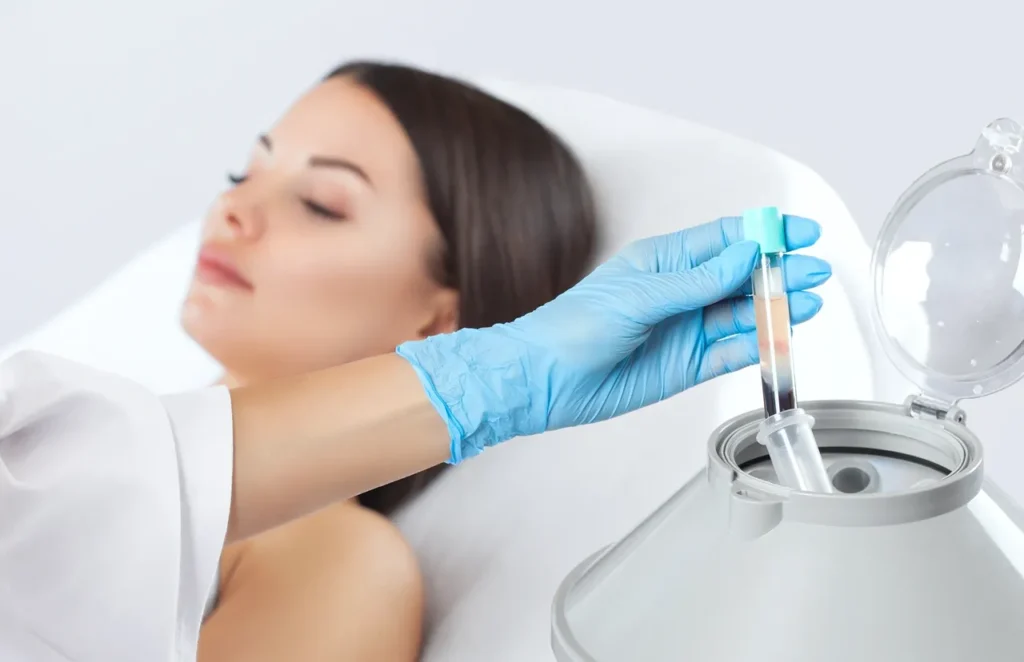
Some people may benefit from treatments such as low-level laser therapy, microneedling, or platelet-rich plasma, commonly called PRP. With PRP, a concentrated portion of a patient’s own blood is injected into areas of thinning hair. Research suggests that PRP and some laser-based treatments may help certain patients increase hair growth and reduce hair loss, although no single approach works for everyone and multiple treatments may be needed.
Just as important as choosing a treatment is identifying why hair is thinning in the first place. Hair loss may occur after an illness, childbirth, major stress, rapid weight loss, hormonal changes, nutritional deficiencies, scalp conditions, or as a side effect of medication. Sudden shedding, patchy bald spots, scalp pain or inflammation, or rapidly progressing thinning deserve medical evaluation, as it may be a symptom of a serious underlying condition.
Supporting healthy hair is often a combination of protecting the strands you have, nourishing the body appropriately, minimizing unnecessary stress on the follicles, and addressing an underlying cause when one is present. Paying attention to changes early can make it easier to identify the problem and choose an appropriate plan strengthen hair and avoid hair loss.